Docking, charging, and data infrastructure for autonomous underwater inspection vehicles.
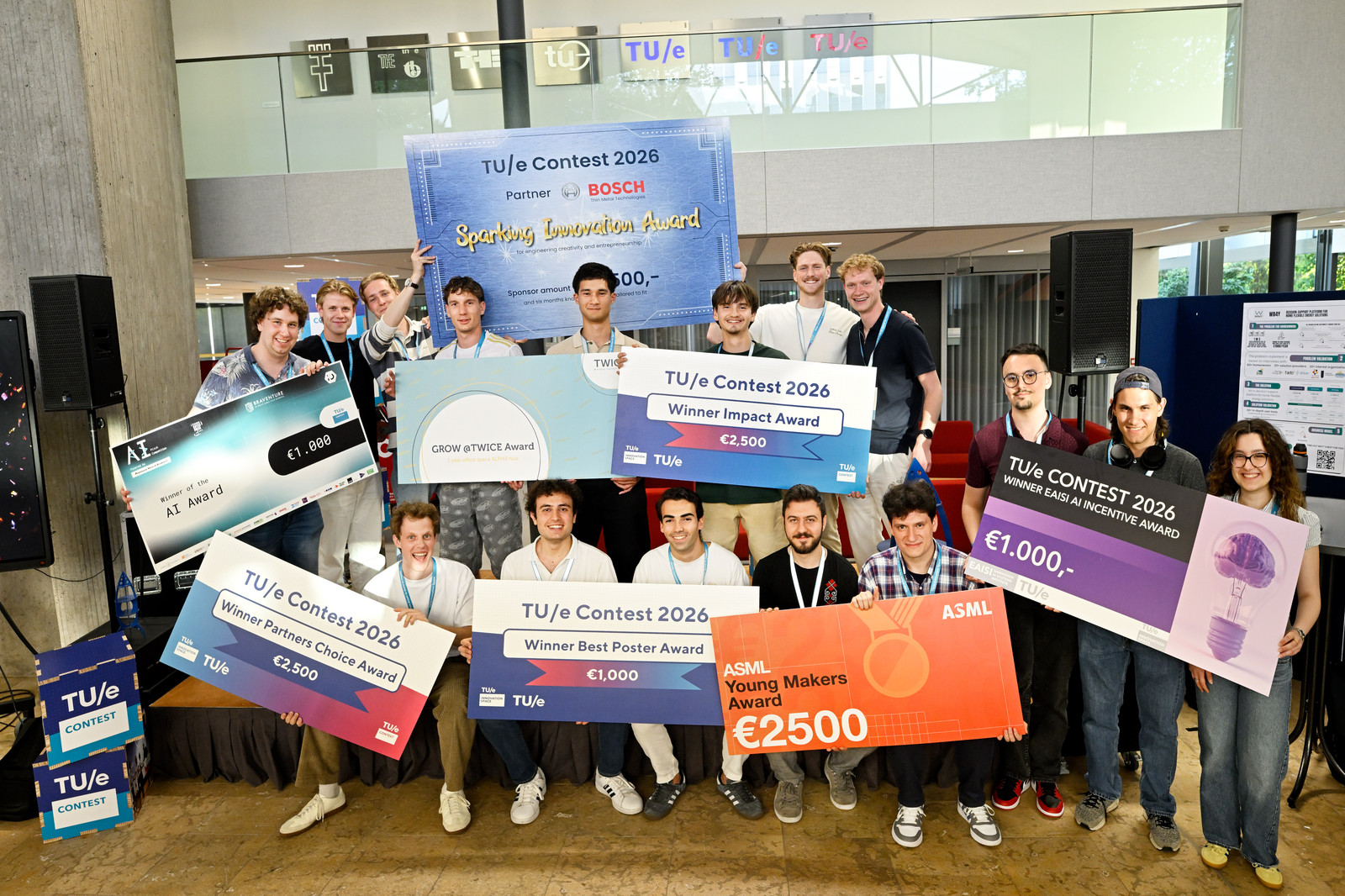
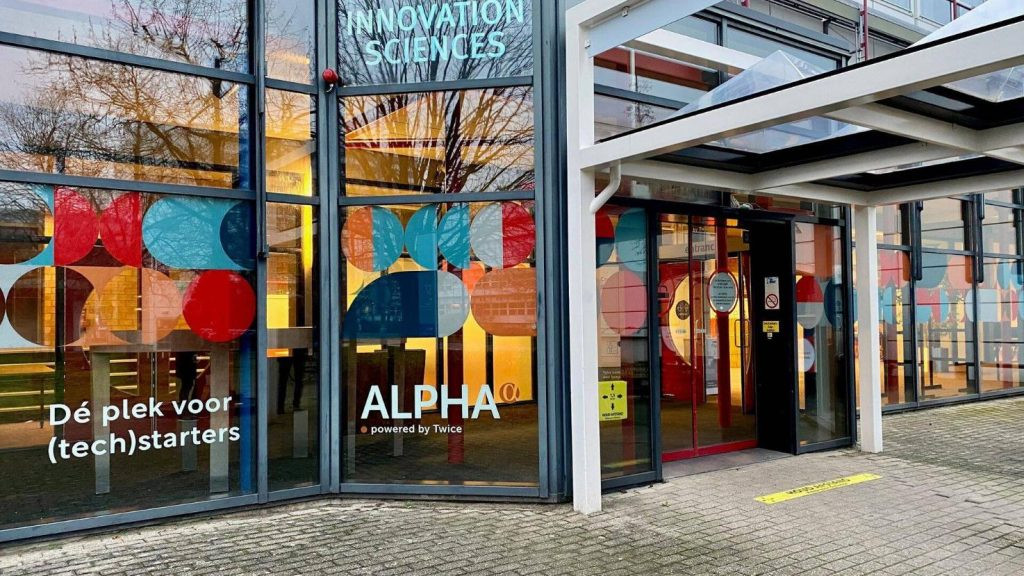
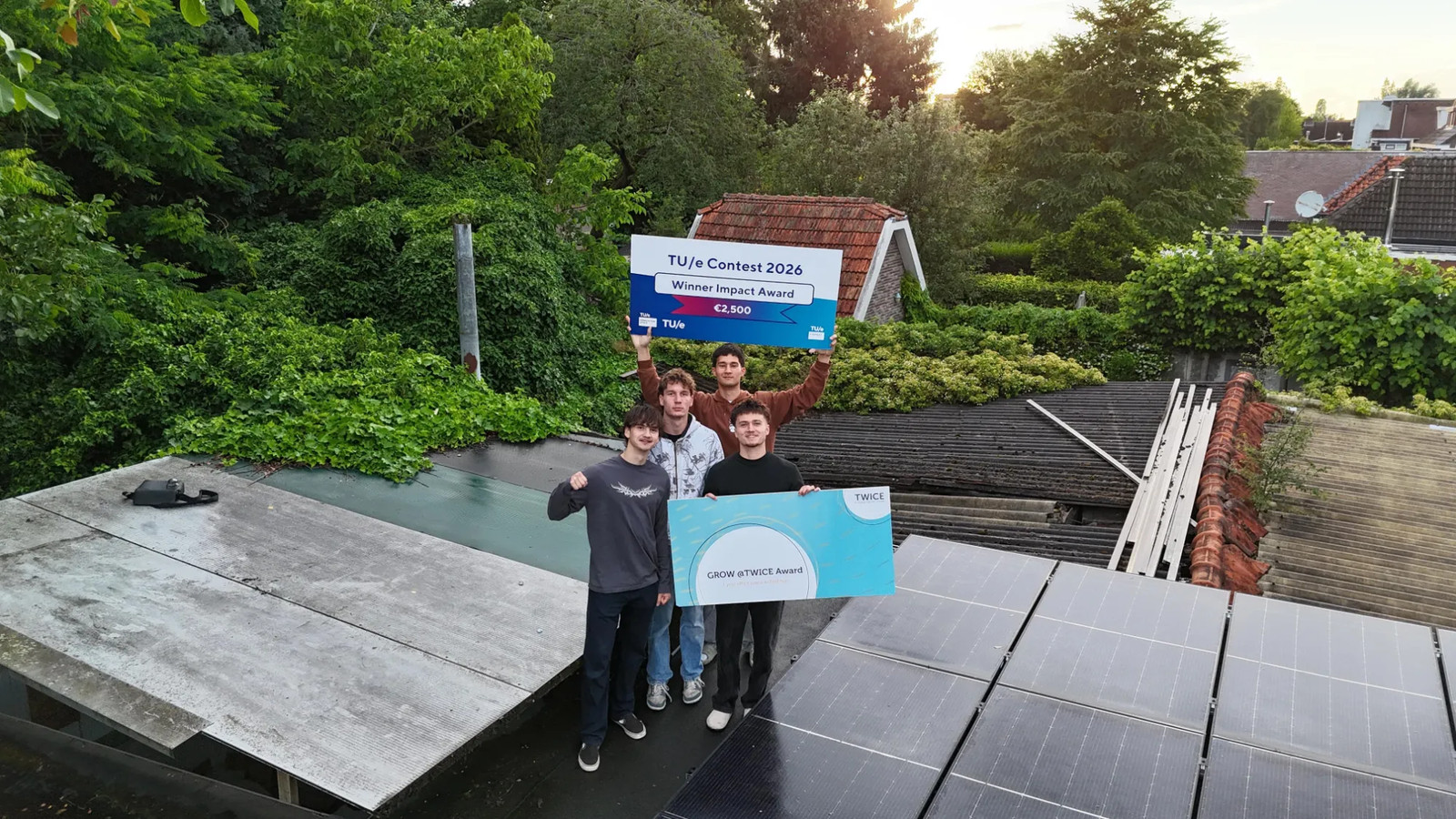
Get in touchWe're a team of engineers who studied together in Eindhoven and started building around one idea: autonomous inspection robots for underwater structures. We've joined the TU/e Entrepreneurship Contest and won two prizes, and we're now based in the Alpha building alongside other startups.
We saw the need for more efficient underwater inspections — the kinds of problems that range from monopile corrosion to scour. Our solution is a piece of infrastructure that lets an inspection drone operate on its own, long-term, without a boat or a crew standing by.
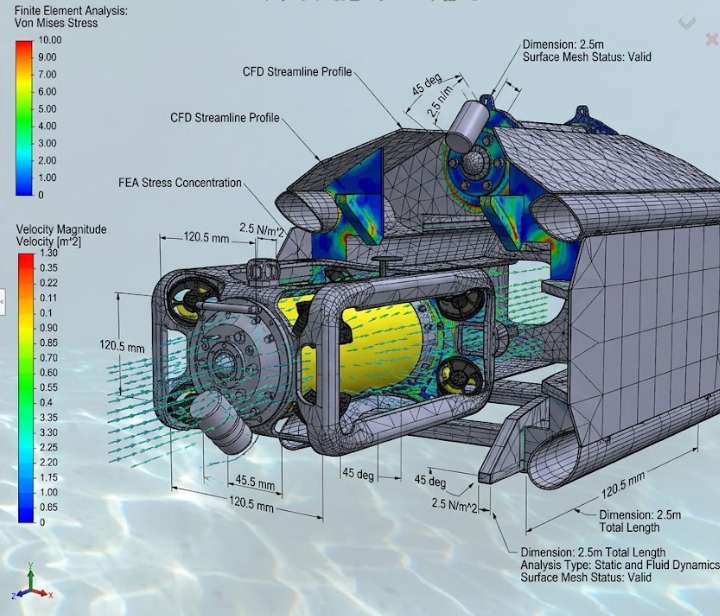
We're currently designing and engineering our first housing and docking station.
Mission complete, the AUV returns to the seafloor housing and hovers into the docking enclosure.
The AUV is clamped reliably in place, held secure against currents and debris.
A reliable connection charges the AUV while docked, built for long-term durability.
Mission data transfers over the same docking connection to the user interface or existing systems.
While docked, system health and mission data are reviewed, flagging issues like sensor or camera fouling for resolution.
Once charged and systems check out nominal, a new mission is uploaded and the AUV detaches to redeploy under optimal conditions.
We're focusing on waterways and canals first, with long-term goals in offshore wind and energy.
Participated in the TU/e Contest, where we learned how to maximise our startup's chance of success, made many valuable contacts, and confirmed real demand for our idea and solution.
Our home base is Alpha, the startup hub on the TU/e campus in Eindhoven, where we have our own office space and work side by side with other early-stage startups on the same campus.
Actively building our first housing/docking prototype and AUV, working toward a system that can dock, secure, charge, transfer data and redeploy underwater without a crew standing by.
Proof of concept completed through market research and conversations with industry contacts. User and system requirements defined, and housing design started.
First housing prototype finished. Testing begins, with the data collected feeding directly into the design of version 2.
Version 2 finished and a first potential pilot client identified. First testing on site, with funding obtained to move forward.
Company established and the team grown. Expansion into other markets beyond our initial waterways and canals focus.
Entry into the offshore wind farm market, improving the housing and AUV system and scaling to more infrastructure and locations.
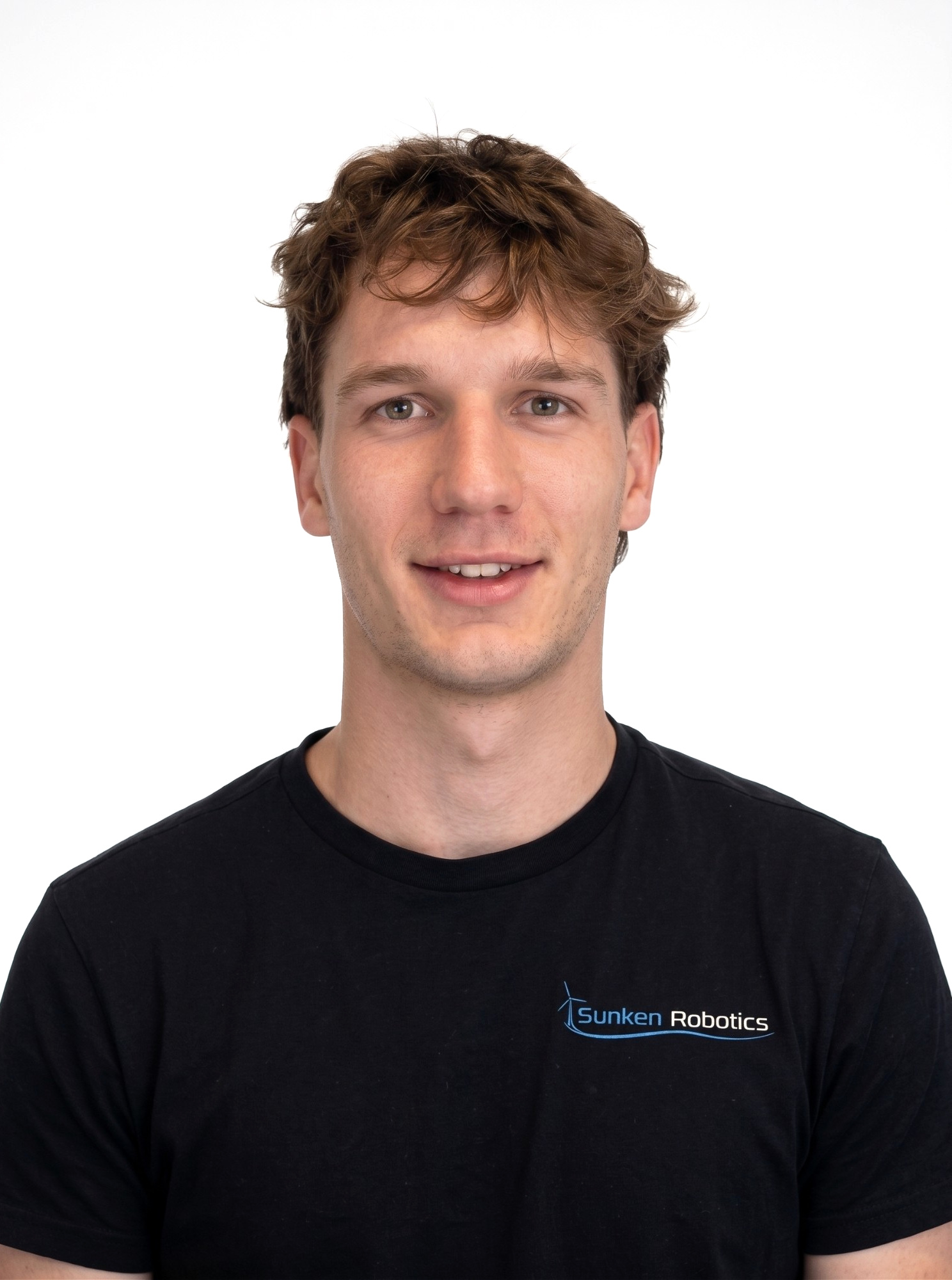
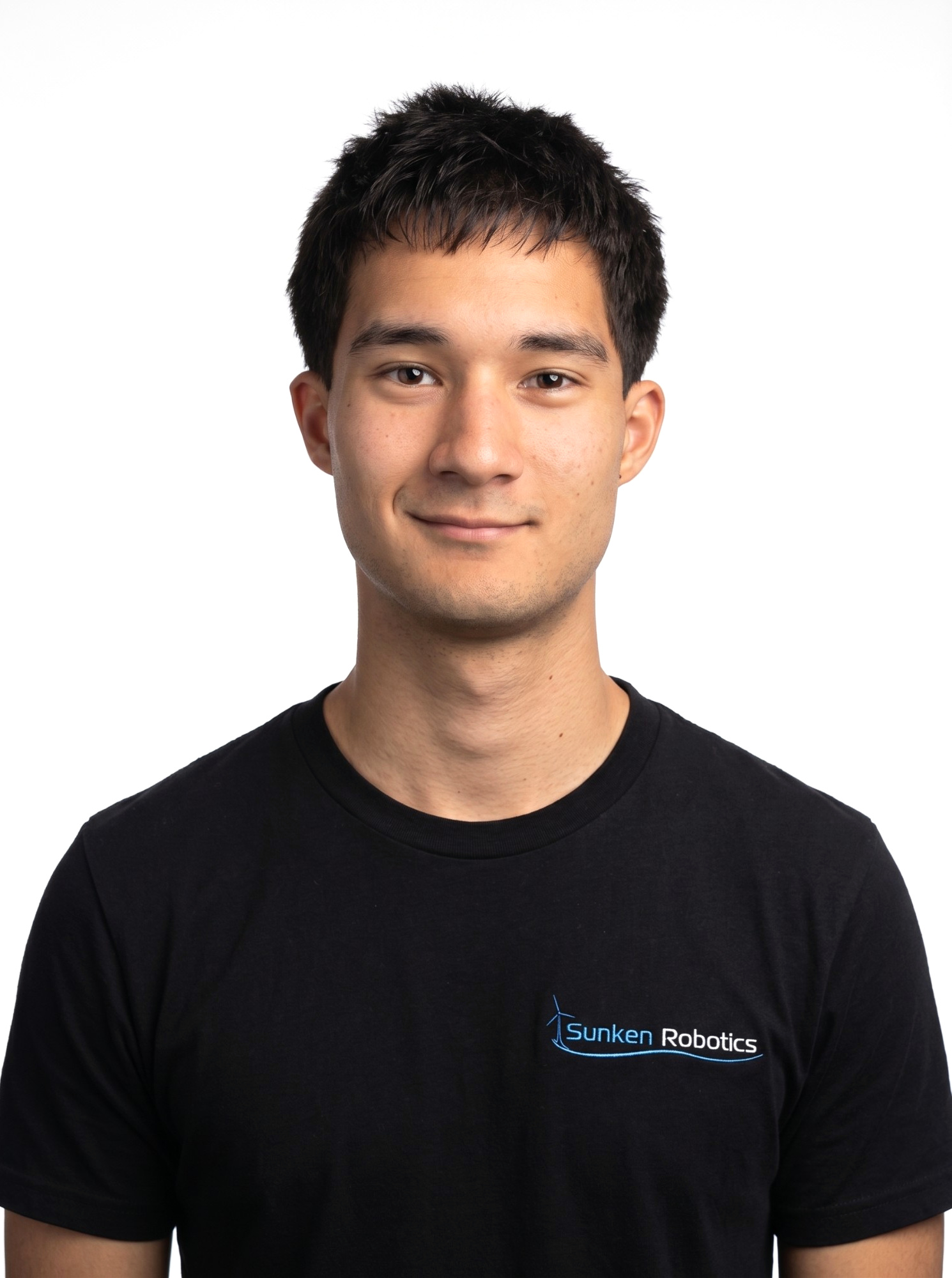
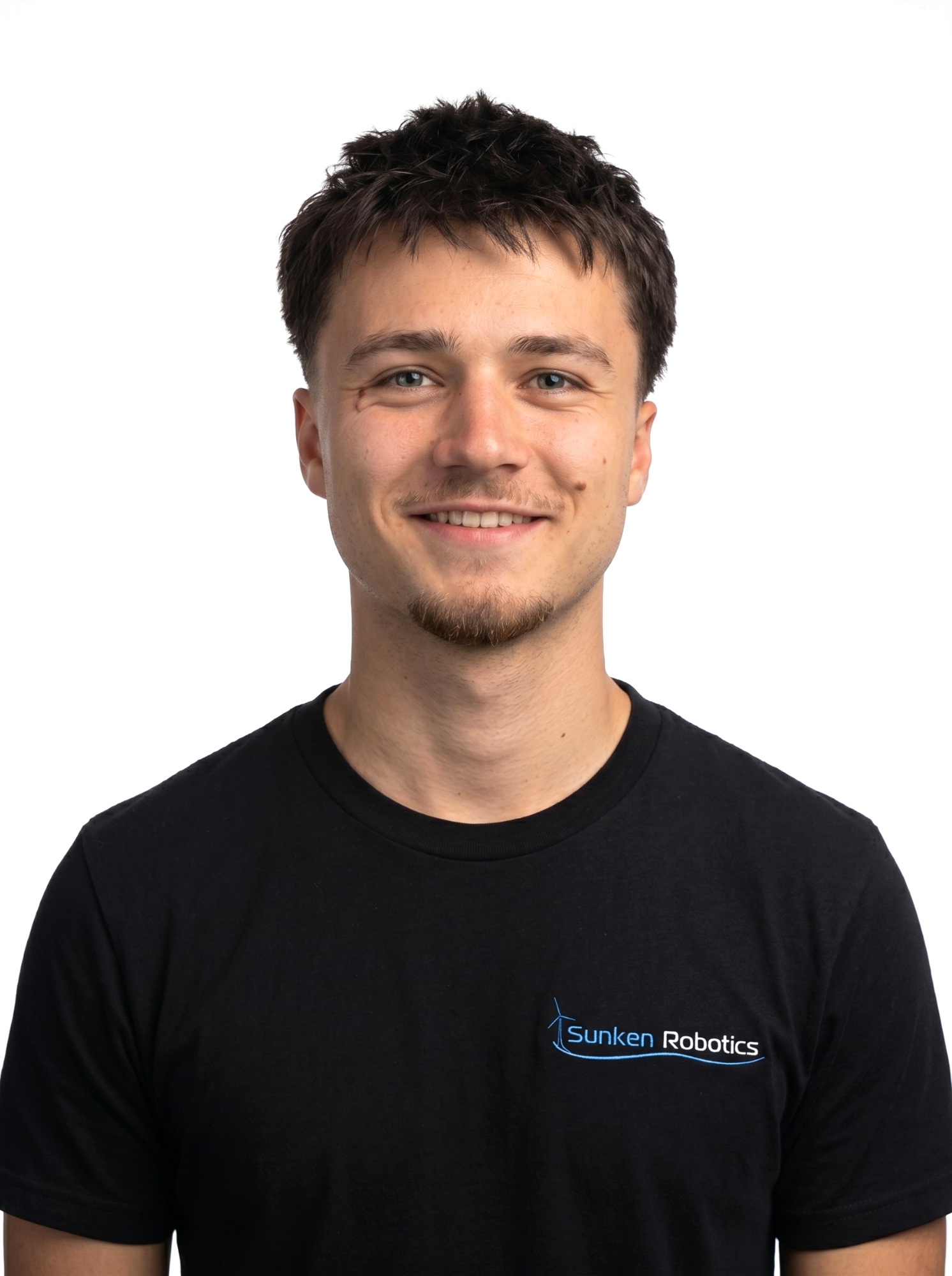
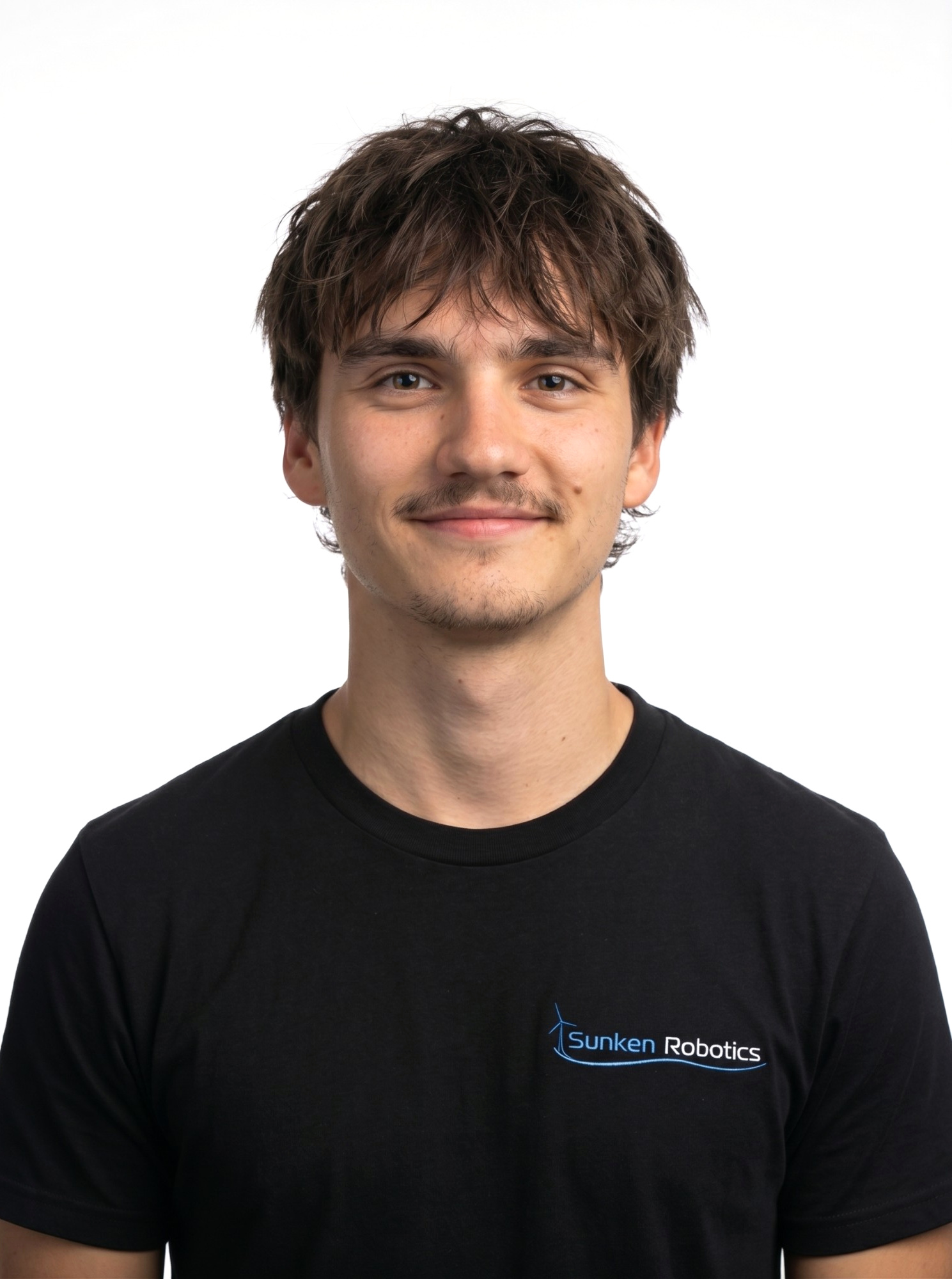
The people building Sunken Robotics.
Interested in what we're building, want to collaborate, or know a good pilot opportunity? Reach out.
sunkenrobotics@gmail.com